How to Properly Prevent Smallpox(Monkeypox)?
By doing this, you can prevent
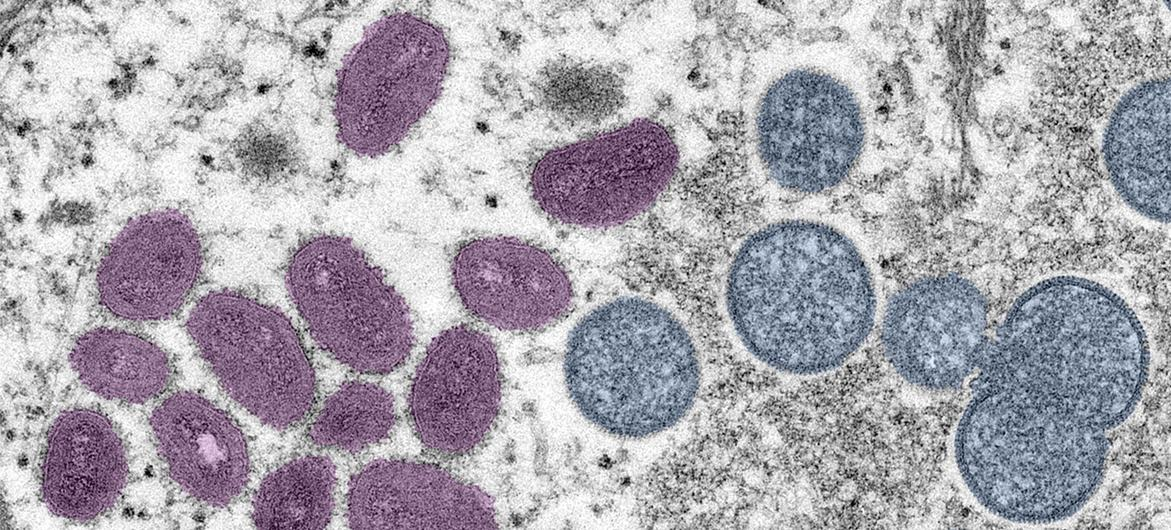
What is monkeypox?
Smallpox is a highly contagious disease caused by the pox virus, of which monkeypox is a manifestation. The following are the main dangers of smallpox (monkeypox):
Highly contagious: Smallpox is a highly contagious disease that is spread through respiratory droplets and also through contact with sick people or contaminated objects.
Serious Health Hazards: Smallpox virus causes symptoms such as high fever, general malaise, and coughing, followed by a rash, which eventually forms pockmarks.
High Mortality: In smallpox outbreaks, the mortality rate in unimmunized populations can be very high, especially for vulnerable groups such as infants, young children, and the elderly.
Long-term complications: Survivors of smallpox may face a range of complications, including skin scarring, eye infections, and respiratory problems.
Social Panic: Smallpox outbreaks can lead to panic and social unrest, with great impact on public health and social order.
However, modern medicine has succeeded in eradicating smallpox and extensive vaccination programs have been implemented worldwide. As a result, smallpox is no longer a prevalent health threat in modern society.
How to Properly Prevent Monkeypox?
Vaccination: Ensure that you have received the required local vaccinations, which will effectively prevent many infectious diseases.
Maintain good personal hygiene: Wash your hands frequently and avoid touching objects and surfaces that may transmit germs.
Avoid close contact: Avoid close contact with sick people, especially during an outbreak.
Avoid traveling to areas with high rates of infectious disease: Especially during an outbreak, try to avoid traveling to areas that may be affected.
Maintain immunity: Maintaining a healthy lifestyle, including a balanced diet, adequate sleep and proper exercise, helps to keep the immune system healthy.
Seek medical attention promptly: If you develop symptoms, seek medical attention promptly and follow medical advice to avoid spreading the infection to others.
Please note that specific precautions may vary depending on your area and the current outbreak. Therefore, it is recommended that you consult your local health department or medical professional for advice before implementing preventive measures.